
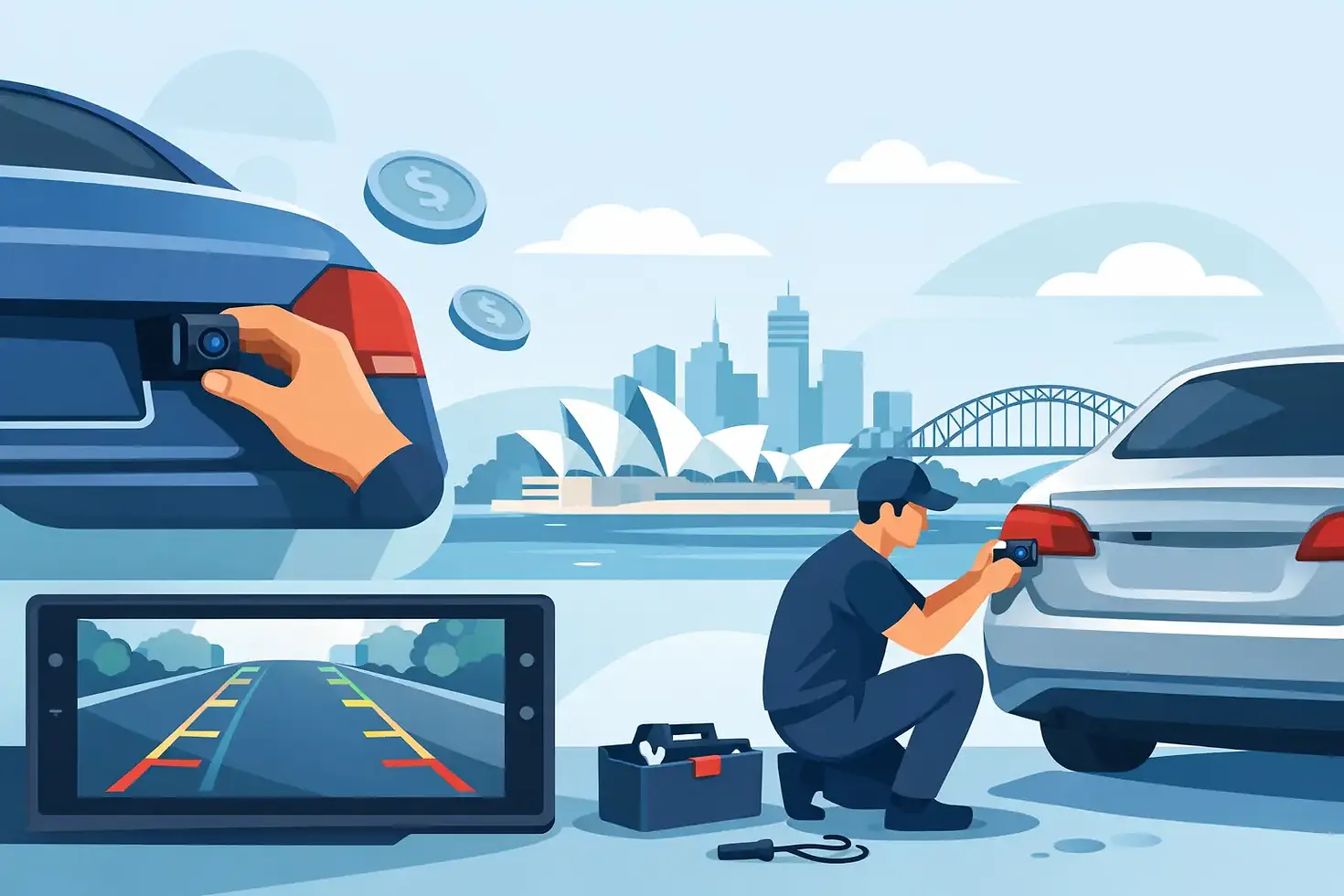
Reverse Camera Installation Cost in Sydney
Parking gets expensive when one small mistake turns into a cracked bumper, a scraped gate or worse. That is why reverse camera installation cost is usually less about the camera itself and more about how much risk, hassle and guesswork you want to remove every time you back out.
For most Sydney drivers, the price can vary a fair bit depending on the vehicle, the type of camera, the screen setup and whether the job is done properly by a specialist. If you are comparing quotes, it helps to know what is actually included, what can push the price up and where the real value sits.
What affects reverse camera installation cost?
There is no single flat price that suits every vehicle. A reverse camera on a small hatchback with an aftermarket head unit is a very different job from fitting one to a late-model SUV, van or ute with a factory screen.
The biggest factor is the type of system being installed. Some vehicles already have a compatible display, so the job is mainly about fitting the camera, running wiring and integrating it cleanly. Others need a complete setup supplied and installed, including the camera and screen. That naturally changes the overall cost.
Labour also matters. A proper installation is not just attaching a camera near the number plate and hoping for the best. The wiring needs to be routed neatly, protected from damage, and connected so the image comes on reliably when reverse is selected. On some vehicles, access is straightforward. On others, trim removal, tailgate routing and screen integration take more time.
Reverse camera installation cost by setup type
If you already have a compatible screen in the car, your reverse camera installation cost will generally be lower than a full supply-and-fit package. In that case, the installer is mainly adding the camera and connecting it into the existing display system.
If your car does not have a screen, the cost is usually higher because you are paying for hardware as well as fitting. That might mean a stand-alone monitor, a mirror monitor or an upgraded head unit with reverse camera input. Each option has a different price point, and the right choice depends on how you use the vehicle and how factory-looking you want the finish.
Universal camera kits can look cheaper at first glance, but the cheapest option is not always the best value. Lower-quality cameras may have poor image quality, weak night performance or shorter lifespan in Sydney heat and weather. A budget kit that fails early often ends up costing more once you replace it and pay for installation again.
Vehicle type changes the price
Small passenger cars are often simpler to work on than larger vehicles, but that is not a rule. Some compact cars have awkward trim layouts or limited space for neat cable routing. SUVs and wagons can require longer cable runs. Vans and work vehicles can take more labour again, especially if access through rear doors is tighter or the owner wants a more heavy-duty setup.
Utes can also vary. A camera mounted near the tray or tailgate may need extra care with placement and wiring protection, particularly if the vehicle is used for work. If the camera needs to withstand dust, vibration and regular outdoor use, it is worth paying for a tougher unit rather than just the cheapest one on the shelf.
That is why a quote based only on the words “reverse camera install” can be misleading. The vehicle make and model, existing audio system and intended use all shape the final price.
Factory screen integration vs aftermarket screen
One of the biggest price differences comes from the display side of the job. If your factory screen can accept a reverse camera input, installation can be more straightforward. If it cannot, you may need an interface module, a new screen or a separate monitor.
Factory integration often appeals because it keeps the cabin looking original. For many drivers, that is worth paying a bit more for. The trade-off is that some factory systems are more complex, and integration can add cost depending on the vehicle.
Aftermarket screens can be more cost-effective in some cases, especially if the existing system is limited. They can also add other useful features at the same time, such as Apple CarPlay, Android Auto or Bluetooth improvements. If your head unit is already dated, it can make more sense to upgrade once and get the reverse camera built into the new setup rather than patching around the old system.
Why installation quality matters
When customers ask about price, they are really asking two things - how much it costs, and whether it will be worth it. Installation quality is where that answer becomes clear.
A reverse camera has to work every time. The image should appear quickly, the camera angle should be useful, and the wiring should be hidden and secure. Poor installations can lead to flickering screens, water ingress, loose cables, damaged trims or cameras mounted in a spot that gives a useless view.
A professional job costs more than a rushed one because it includes proper fitting, testing and a finish that lasts. That matters even more if you plan to keep the car for a few years or if the vehicle is used daily for family, commuting or work.
Mobile fitting can affect value more than price
Some drivers compare workshop pricing against mobile service pricing and assume mobile will cost more. Sometimes it does, sometimes it does not. What matters is the total value.
With mobile installation, you do not have to take time off, sit around in a waiting room or organise lifts while your car is in a workshop. The job is done at your home or chosen location, which saves time and removes a fair bit of inconvenience. For busy Sydney households, that convenience is often worth just as much as the hardware itself.
If the quote includes supply, professional fitting at your place and warranty-backed work, that is not the same as buying a cheap kit online and trying to line up someone to fit it later.
The cheapest quote is rarely the full story
A low quote can look good until you ask what is included. Does it include the camera? Is the image quality decent at night? Is the wiring concealed properly? Is the installer experienced with your vehicle? Is there a warranty on both product and labour?
These questions matter because reverse cameras are a safety upgrade, not just a cosmetic extra. If the system cuts out, fogs up or gives a poor image when you need it most, the cheap price stops looking like a win.
For Sydney drivers, the best-value installation is usually one that balances fair pricing with reliable gear, neat workmanship and proper after-sales support. That is where an experienced specialist stands apart from a bargain job.
What should be included in a proper quote?
A clear quote should tell you whether it covers supply and installation or installation only. It should also account for your vehicle type, screen compatibility and any extras needed for integration.
You should expect clarity around the camera style, where it will be mounted, how the image will display and what warranty is included. If a quote is vague, there is usually a reason. Good installers explain what you are paying for and why one vehicle costs more than another.
At CarKitMasters, that practical approach matters because most customers are not chasing technical jargon. They want to know the job will be done properly, at a fair price, at their place, without mucking around.
When paying more makes sense
Not every driver needs the top-end option. If you have an older car and just want a clear, reliable reversing view, a straightforward system can do the job well without overspending.
But there are times when paying more is the smarter choice. If you drive a larger SUV, a work van or a ute with limited rear visibility, image quality and durability matter more. If you rely on the vehicle every day, downtime from a poor-quality setup can be more expensive than paying for a better one upfront.
The same goes for families and rideshare drivers. If the camera is being used constantly in school pick-up zones, shopping centres, apartment car parks and tight inner-city streets, reliability is not a luxury. It is the whole point.
So, how much should you expect to pay?
The honest answer is that reverse camera installation cost depends on the vehicle and the setup you need. A basic installation on a straightforward vehicle will usually sit lower than a fully integrated supply-and-fit package on a more complex model. That is normal.
What you should expect, though, is a quote that makes sense for your car, includes quality parts, professional installation and warranty support. If the price sounds too cheap to be true, it usually is. If it reflects proper products, mobile fitting and proven experience, that is where the value sits.
A reverse camera should make daily driving easier from the moment it is fitted. When the price matches a clean install, solid gear and no workshop runaround, it stops being just another car expense and starts looking like money well spent.


Comments